Expert Advice From Evictem Pest Management
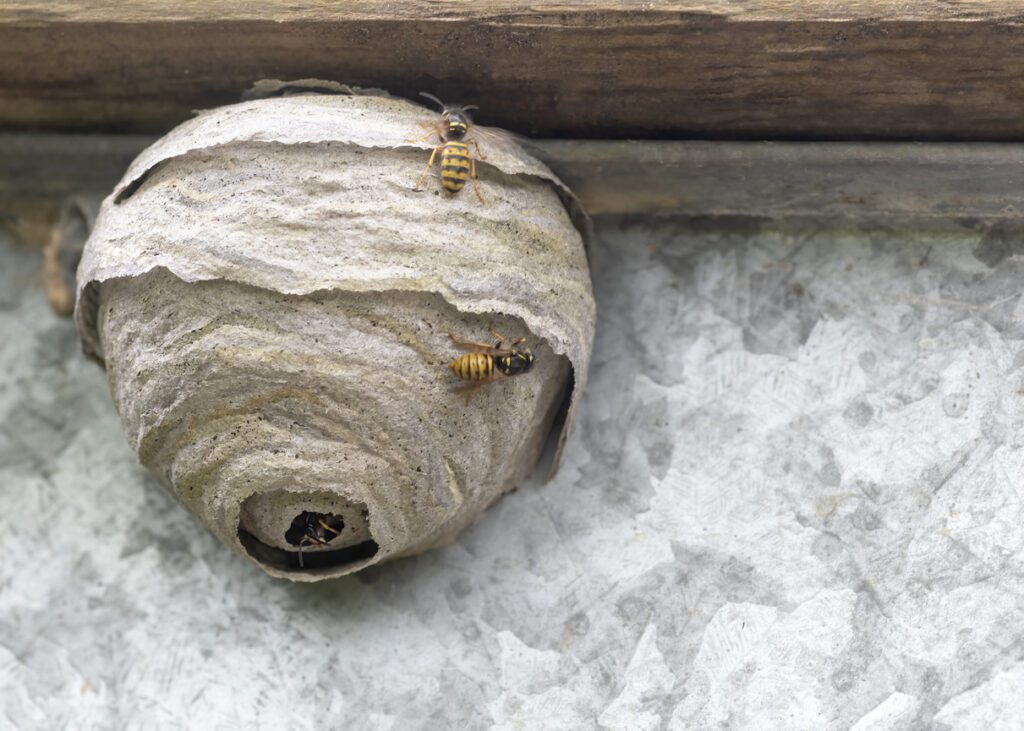
At Evictem Pest Management, we often get calls about wasp nests, particularly in the summer months when these industrious insects are at their busiest. Wasps can seem like a nuisance, especially if a nest appears near your home or garden. Understandably, your first instinct might be to remove it or have it destroyed. However, we advise caution when dealing with wasp nests, as attempting to remove them yourself can be dangerous and often unnecessary. Let us walk you through why leaving wasp nests alone may be the best course of action, and how we can help if professional intervention is needed.
The Role of Wasps in the Ecosystem
It’s easy to see wasps as aggressive pests, but these insects play an important role in maintaining balance in our ecosystem. Wasps are natural predators and help to control populations of other insects like flies, aphids, and caterpillars. This is beneficial for your garden and the broader environment, as they act as a natural form of pest control.
In fact, without wasps, the numbers of many other pests would increase, causing more damage to crops and plants. Wasps also contribute to pollination, although they are not as efficient as bees, they still play a minor role in the process.

Are Wasps Dangerous?
While it’s true that wasps can sting, they are not typically aggressive unless provoked. They become more defensive if their nest is disturbed, which is why attempting to remove a nest on your own can lead to a dangerous situation. Multiple stings can be painful and, for those who are allergic, even life-threatening.
At Evictem Pest Management, we always advise against DIY wasp nest removal. Even if the nest is located in what seems like an inconvenient or dangerous spot, attempting to remove it yourself without the proper knowledge, tools, and protective gear can provoke the wasps, leading to a swarm and potential harm.
When to Leave a Nest Alone
In many cases, the best action you can take is simply to leave the nest alone. Wasps are most active between spring and autumn, and they build their nests in protected areas such as roof eaves, sheds, trees, and even in the ground. By late autumn, most wasp colonies die off naturally as temperatures drop, and the nest will be abandoned.
If the nest is located in an area where it does not pose a direct threat to your daily life or to the structure of your property, it’s best to leave it untouched. Wasps rarely use the same nest more than once, so you won’t have to worry about it becoming a permanent fixture.
Signs That Professional Help is Needed
There are situations where leaving a wasp nest alone might not be practical or safe. If the nest is located near areas of high human activity, such as close to a door, a children’s play area, or near where food is prepared or eaten, it’s important to take action. Wasps can become more aggressive in late summer and early autumn as their food sources diminish, and their presence can pose a greater risk to people and pets.
Here are a few signs that it may be time to call in the professionals at Evictem Pest Management:
- The nest is near an entry point: If wasps have built their nest near your front door, garage, or another regularly used entrance, it could lead to frequent encounters and potential stings.
- There is heavy wasp activity: If you notice a large number of wasps around your property, especially if they seem more aggressive, it’s a sign that the nest may need to be dealt with.
- You or someone in your household is allergic: If anyone in your household has a known allergy to wasp stings, the risk of anaphylaxis means it’s better to err on the side of caution and have the nest professionally removed.
Humane Wasp Removal
At Evictem Pest Management, we prioritise humane and eco-friendly pest control methods whenever possible. While wasp nests can be problematic, we strive to manage the situation without causing undue harm to the insects. We can safely and efficiently remove the nest, or in cases where it’s appropriate, offer solutions that allow the wasps to remain undisturbed while ensuring your safety and peace of mind.
In some cases, it may be possible to relocate the nest to a less problematic area. This approach benefits both you and the local ecosystem, allowing the wasps to continue their beneficial role without posing a danger to your home.
Preventing Future Nests
After a nest has been removed or the wasps have vacated in the autumn, it’s important to take preventative measures to avoid new nests being built in the same area. Wasps look for sheltered, dry places to establish their colonies, so sealing gaps in your home’s eaves, roof, or walls can help to deter them.
We also recommend inspecting sheds, garages, and other outdoor structures early in the spring, before the wasp season begins, to identify and address any areas that might serve as potential nesting sites. Our team at Evictem Pest Management can advise you on these measures during a consultation.
Why Choose Evictem Pest Management?
Based in Ferryhill and serving the North East and Yorkshire, we at Evictem Pest Management pride ourselves on offering comprehensive pest control services that are both effective and humane. Whether it’s wasps, rodents, or other pests, we always approach each situation with a focus on safety, care, and respect for the environment.
With years of experience and a commitment to using the latest, eco-friendly methods, we are equipped to handle even the most challenging pest-related issues. Our team is fully trained and qualified to assess your situation and recommend the best course of action. So, if you’re dealing with a wasp nest and aren’t sure what to do, don’t hesitate to give us a call.