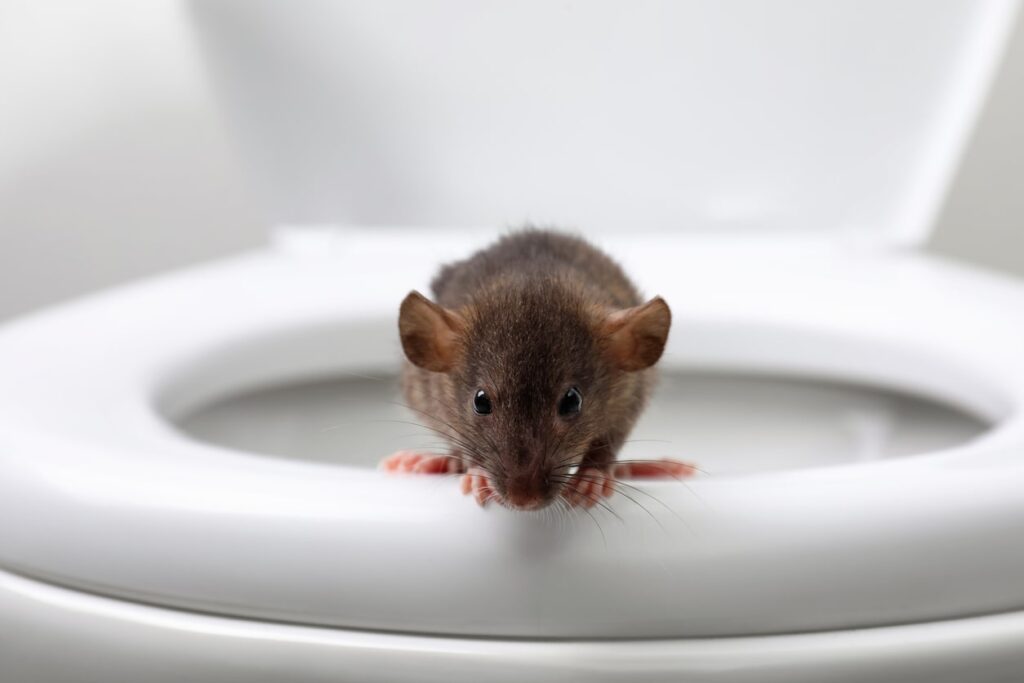

Rodents cause problems long before you physically see one. They move quietly, hide in difficult-to-reach spaces and often remain active during the night, making them hard to detect. That’s why it’s important to recognise the early indicators. At Evictem Pest Management, we help homeowners spot the warning signs before the situation becomes more serious, providing clear guidance on what to look for and how to respond.
Many infestations start with subtle evidence: strange noises, tiny marks or unexpected odours. These signs are often overlooked at first, allowing rodents to settle and breed indoors. Understanding what to watch for helps you act quickly, protect your home and prevent damage that can escalate if left untreated. With the right knowledge, you can identify issues early and contact a professional before things worsen.

Why Do Rodents Come Indoors?
Rodents come into homes for the same reasons any pest does: warmth, shelter and reliable access to food and water. Once they find a safe, comfortable location, they often settle in and begin to explore, nest and breed. Knowing why your home has attracted them is the first step to preventing repeat issues.
Common reasons rodents enter include:
- Easy access through small gaps, cracks or broken vents
- Food sources left exposed or accessible
- Warmth inside walls, lofts or under flooring
- Cluttered areas providing ideal hiding spots
- Nearby outdoor activity pushing pests indoors
- Broken pipework, leaks or standing water
Once indoors, rodents move through different parts of the property and quickly become established. Closing potential access points and removing attractants reduces your risk, but if you already see signs of movement, the safest option is to act quickly. Contact a pest control specialist like Evictem Pest Management for early prevention and fast rodent treatment limit long-term problems and protect your home from further damage.
Droppings
One of the most common signs of rodent activity is the appearance of droppings. These are usually small, dark and pellet-shaped. They may appear in cupboards, under sinks, near food storage areas or around electrical equipment. Fresh droppings are soft and shiny, while older ones become dry and crumbly. The quantity and spread of droppings can indicate how active the rodents are and help identify the scale of the issue.
Gnaw Marks
Rodents gnaw constantly, using their teeth to access food, create pathways or enlarge small gaps. You may notice bite marks on wood, plastic, cables, skirting boards or even furniture. Gnawing can become dangerous if rats or mice in the home target electrical cables, as this increases fire risks. If you spot repeated damage in similar areas, it’s a strong indication that rodents are regularly travelling through that space.
Noises
Hearing unusual noises, especially at night, is another warning sign. Scratching, scurrying or squeaking often comes from within walls, lofts or underneath floorboards. Rodents are most active when the house is quiet, making night-time disturbances more noticeable. These noises often repeat in the same places, suggesting established routes or nesting locations.
Rub Marks
Rodents leave grease marks along surfaces they repeatedly travel. These smear-like streaks come from natural oils in their fur and appear on walls, pipes, skirting boards or around small openings. Over time, these marks become darker and more visible. Noticing rub marks near entry points or along floor edges may indicate a regular, well-used path.

Odours
A strong, musky smell is often associated with rodent activity. The odour builds up near nests, heavy traffic areas or places contaminated with urine. If rodents have been present for some time, the smell can become quite intense. A sudden, unpleasant scent might also indicate a deceased rodent hidden within the property. These odours are difficult to remove without professional treatment and usually signal a more established problem.
Nests
Rodents build nests from whatever materials they can find: shredded paper, insulation, fabric, cardboard and soft debris. These nests are usually hidden in lofts, wall cavities, under appliances or inside storage spaces. Discovering a nest means rodents have already made your home their own and are likely breeding. This increases the urgency, as populations can grow quickly once nesting is established.
What Do I Do If I Suspect Rodents In My Home?
If you notice any of these signs, it’s important to act quickly. Rodent activity escalates fast, and even a single rodent can indicate a wider issue. Start by avoiding areas where you’ve seen signs of contamination and keep food securely stored. Clean surfaces, seal rubbish and avoid disturbing potential nesting sites, as moving materials can spread contamination.
The safest and most effective solution is to contact a professional for pest management and control. DIY products offer limited success and don’t address the root cause. A trained specialist can assess the situation, locate entry routes and apply targeted treatments that remove the pests while preventing new activity. Evictem Pest Management provides reliable support for homeowners who want fast, thorough and long-lasting results.
Contact Evictem Pest Management Now For Professional Rodent Control
Rodents are destructive, unhygienic and difficult to remove without expert help. If you’ve spotted any signs of activity or want peace of mind through a professional inspection, Evictem Pest Management is ready to assist. We offer safe, efficient and comprehensive rodent treatments that protect your home and prevent the issue returning. Contact our team today for trusted support and complete control of your rodent problem.